


In today’s world, almost everything we do is connected to the internet—whether it’s scrolling through social media, shopping online, or searching Google for answers. For businesses, this shift has created a new way to connect with people: what is digital marketing.
If you’re new to the term and wondering what digital marketing is and why it matters, this guide will walk you through everything you need to know—what is digital marketing, how it works, why businesses invest in it, and how you can use it to grow your brand online.
What is Digital Marketing?
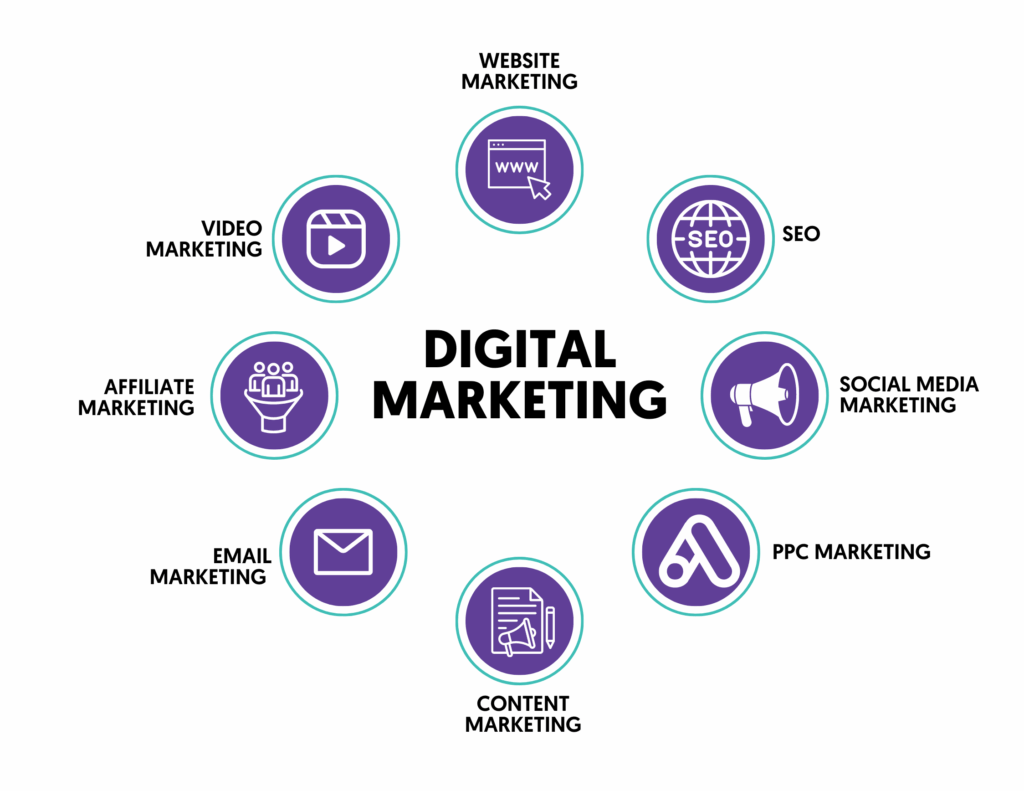
At its core, digital marketing is the practice of promoting products, services, or brands using online platforms and digital technologies. What is Digital Marketing? Unlike traditional marketing, which relies on TV, radio, or print ads, digital marketing happens entirely on the internet.
It includes everything from running ads on Google, posting content on Instagram, sending email newsletters, to optimizing a website for better visibility on search engines.
Think of it this way: wherever people spend time online, businesses can use digital marketing strategies to reach them.
Why is Digital Marketing Important?
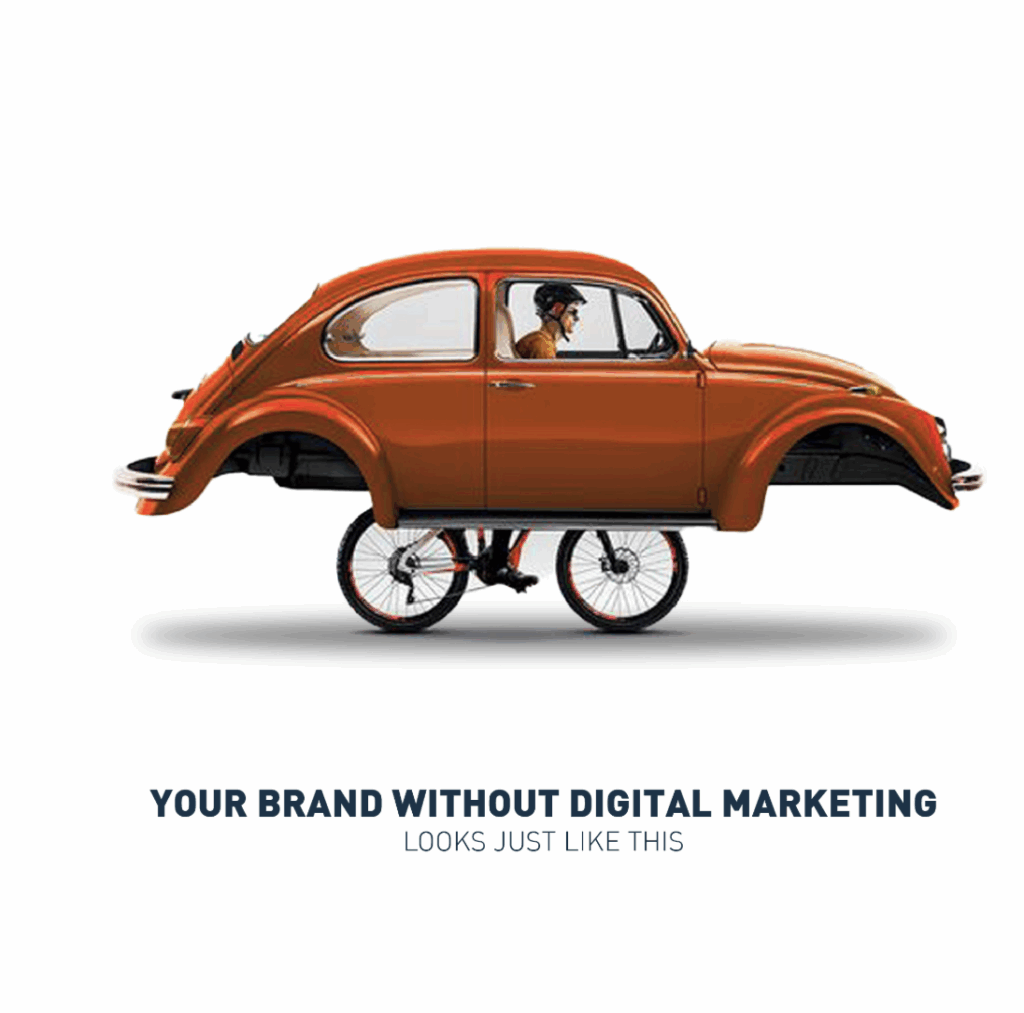
- Wider Reach – With billions of internet users worldwide, you can reach people across countries and time zones.
- Cost-Effective – Running ads on Google or social media is often cheaper than traditional billboards or TV ads.
- Measurable Results – Digital tools let you track clicks, conversions, and engagement in real-time.
- Targeted Campaigns – You can show ads only to people who are interested in your product or match your ideal customer profile.
- Adaptability – Campaigns can be adjusted instantly based on performance.
For small and medium businesses, digital marketing levels the playing field. What is Digital Marketing? You don’t need a million-dollar advertising budget to get noticed online.
Key Components of Digital Marketing
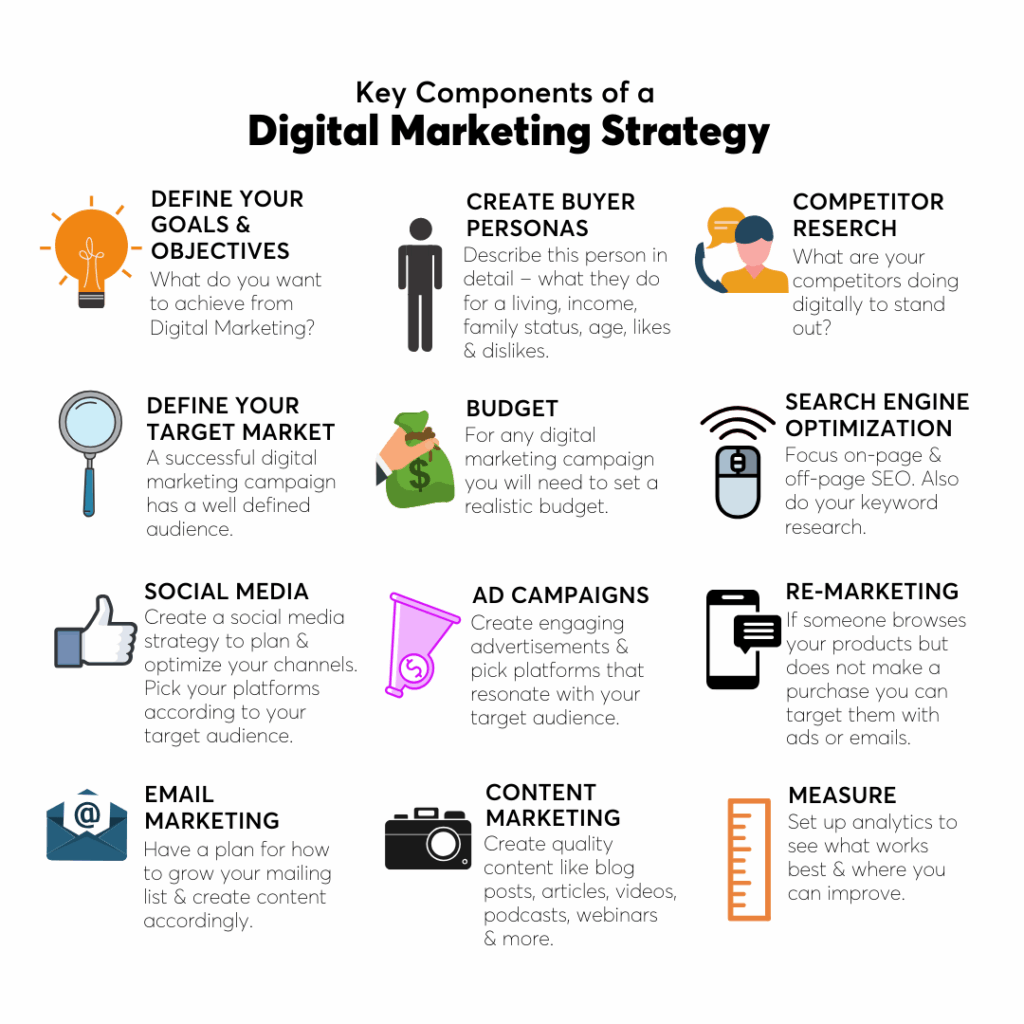
Digital marketing is not just one thing—it’s a combination of strategies and platforms. Let’s break down the main pillars:
1. Search Engine Optimization (SEO)
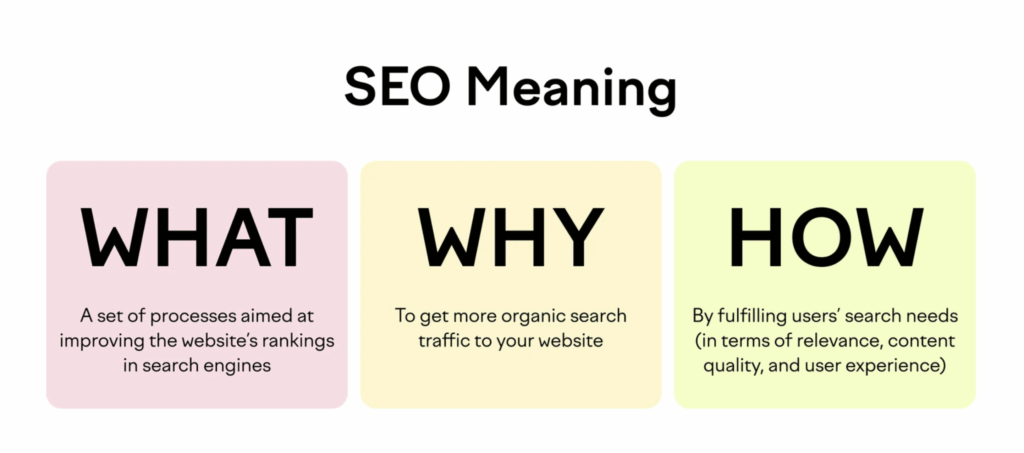
SEO is about optimizing your website so it ranks higher on search engines like Google. When people search for terms related to your business, SEO helps your site appear at the top of results.
- On-page SEO – optimizing content, headings, and keywords.
- Off-page SEO – building backlinks and brand mentions.
- Technical SEO – improving site speed, mobile-friendliness, and indexing.
Example: If you run a bakery, SEO helps your site show up when someone searches “best bakery near me.”
2. Search Engine Marketing (SEM) / Pay-Per-Click (PPC)
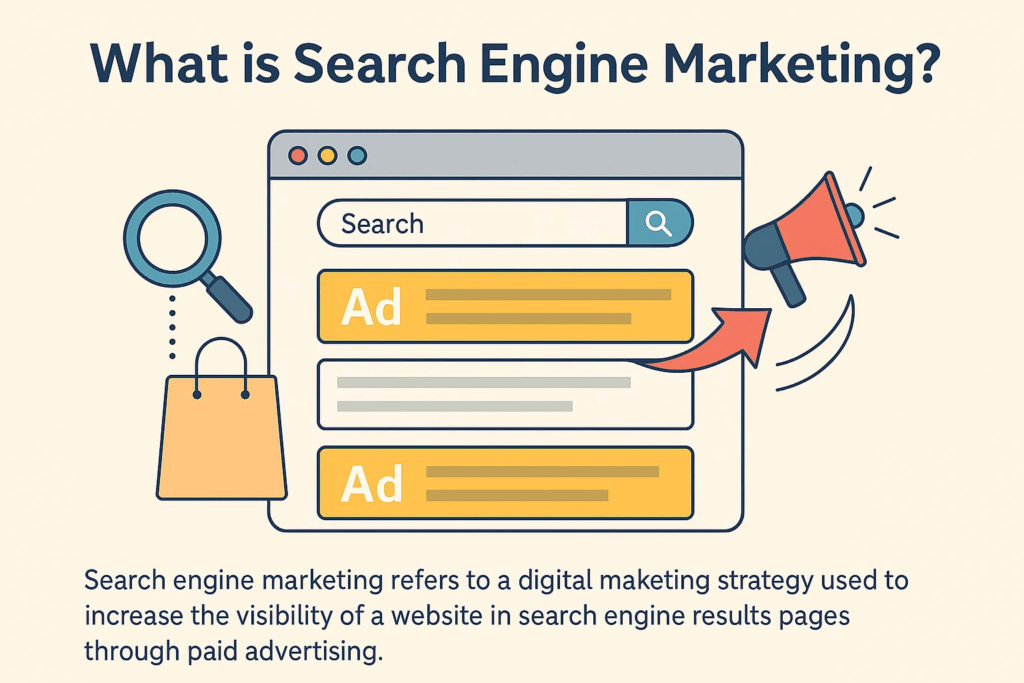
This includes Google digital marketing ads, also known as Google Ads. You pay whenever someone clicks on your ad. It’s a quick way to appear on the first page of search results.
For instance, if someone searches for “buy running shoes online,” you can run a paid ad that takes them directly to your product page.
3. Social Media Marketing
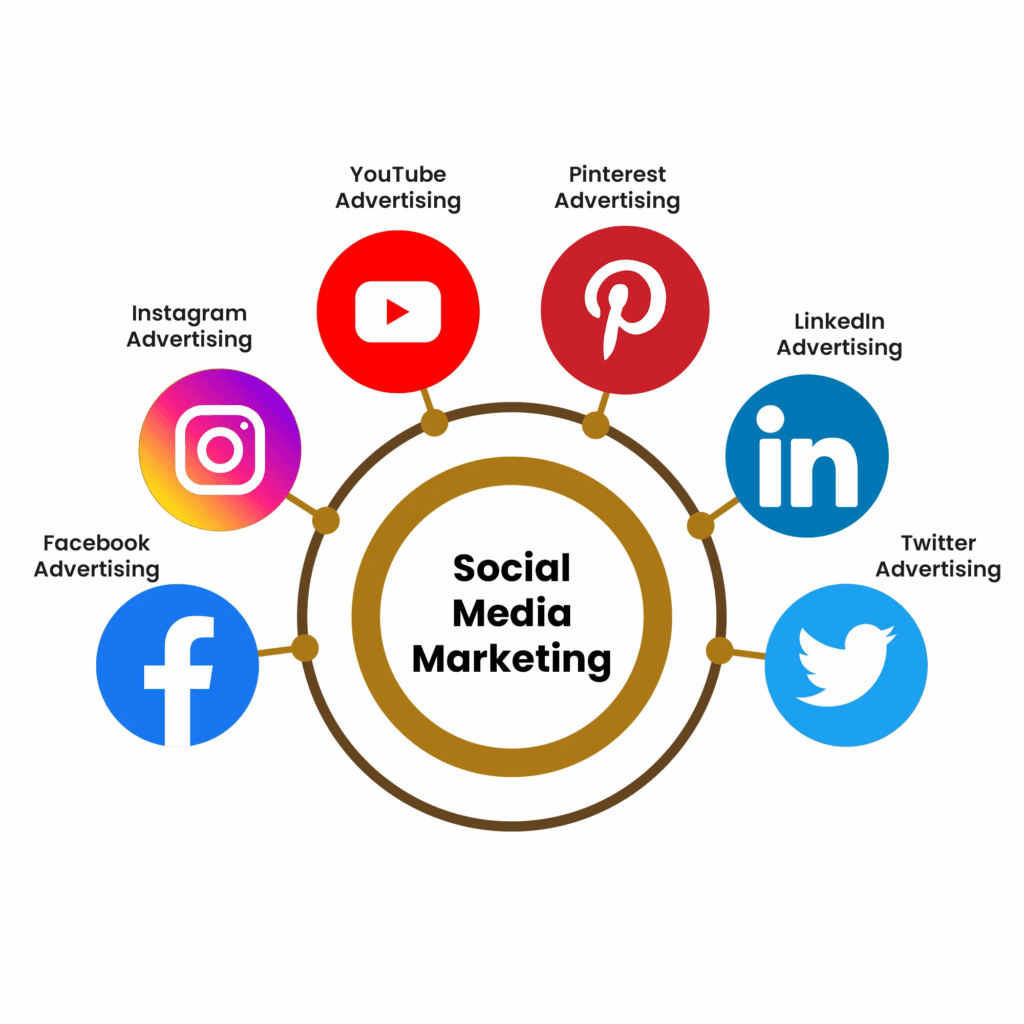
Social platforms like Facebook, Instagram, LinkedIn, and TikTok allow businesses to:
- Build brand awareness
- Run targeted ads
- Interact directly with customers
Here, content is key—images, videos, reels, and stories all play a big role.
4. Content Marketing
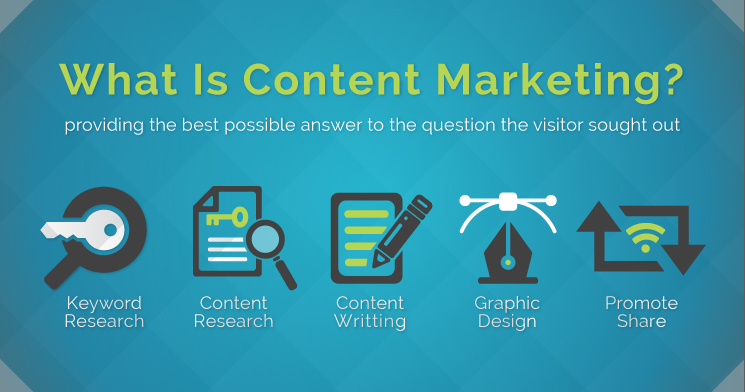
Content is the foundation of all digital marketing. Blogs, videos, infographics, and eBooks help build trust with your audience.
Good content answers customer questions and positions your brand as an expert.
Example: This very blog is content marketing—it educates while building trust.
5. Email Marketing
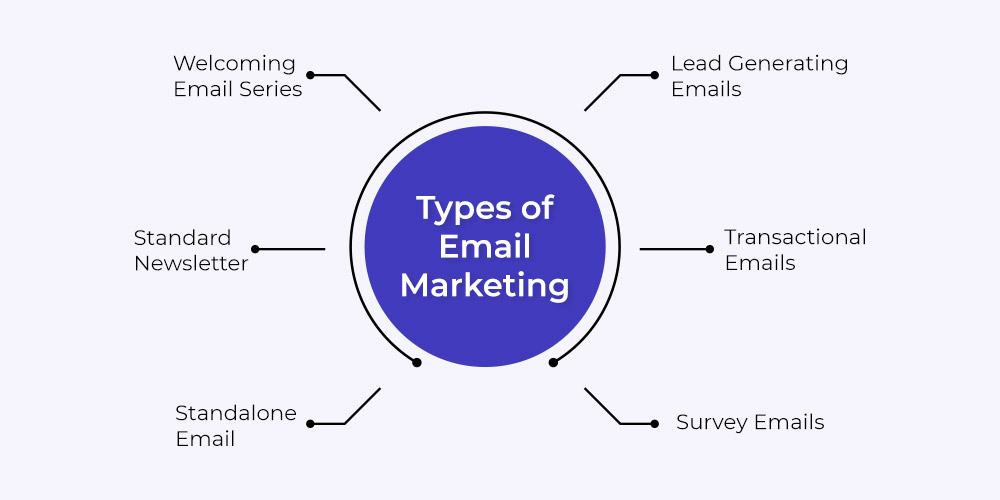
Despite being one of the oldest digital tools, email marketing remains highly effective. It’s personal, cost-efficient, and helps build long-term customer relationships.
Newsletters, product updates, and promotional offers can all be delivered directly to inboxes.
6. Influencer & Affiliate Marketing
Influencers promote your products to their followers, while affiliate partners earn a commission for driving sales. Both strategies tap into existing audiences.
7. Analytics & Data
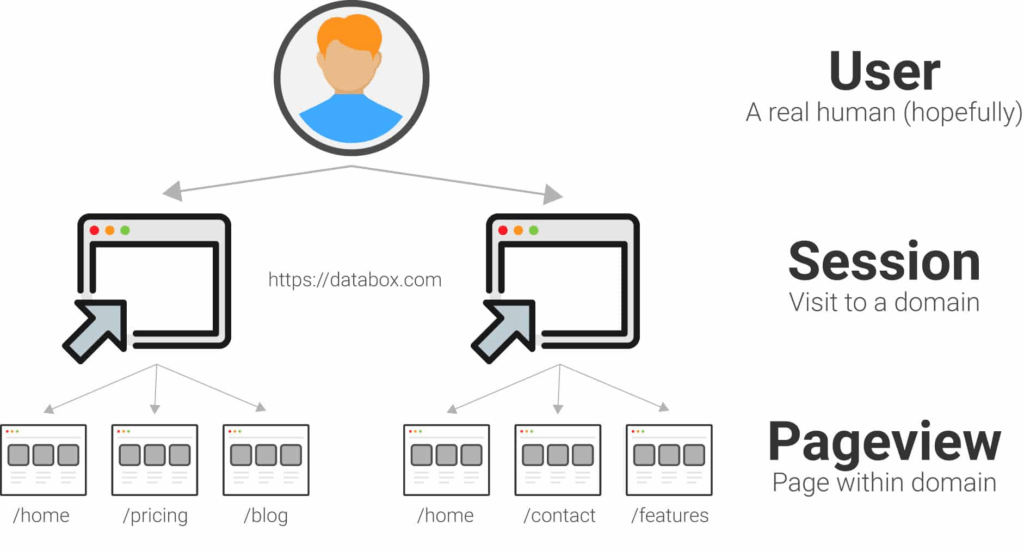
Every digital marketing campaign generates data. Tools like Google Analytics help track:
- Website visitors
- Traffic sources
- Conversion rates
- Customer behavior
This data-driven approach makes marketing smarter and more efficient.
| Feature | Traditional Marketing | Digital Marketing |
| Medium | Print, TV, Radio | Internet, Social Media |
| Reach | Local/Regional | Global |
| Cost | High | Flexible |
| Measurability | Limited | Real-time |
| Targeting | Broad | Highly specific |
Digital marketing doesn’t completely replace traditional marketing, but in most industries, it’s now the preferred approach.
How Does Google Digital Marketing Work?
When people talk about Google digital marketing, they usually mean Google Ads and Google SEO.
- Google Ads (PPC): You bid on keywords so your ad appears when people search for them. You only pay when someone clicks your ad.
- Google SEO: By optimizing your site for Google’s algorithm, you earn free (organic) traffic over time.
Both methods can work together—Google Ads gives instant visibility, while SEO builds long-term results.
Careers in Digital Marketing
The rise of online platforms has made digital marketing one of the fastest-growing career fields. Job opportunities include:
- SEO Specialist
- Content Marketer
- PPC Manager
- Social Media Strategist
- Data Analyst
- Marketing Automation Specialist
Many professionals choose this path because it’s dynamic, creative, and offers remote work opportunities.
Beginner Tips to Start with Digital Marketing
If you’re a small business owner or just beginning your journey:
- Define Your Goal – Do you want more website visits, leads, or sales?
- Know Your Audience – Understand who your customers are and where they spend time online.
- Start Small – Begin with one or two channels (e.g., SEO + Instagram).
- Create Value-Driven Content – Solve your customers’ problems with blogs, videos, or posts.
- Use Free Tools – Google Analytics, Google Search Console, and Canva are great starting points.
- Measure & Improve – Track performance and refine your strategy continuously.
The Future of Digital Marketing
The digital landscape is evolving rapidly. Emerging trends include:
- AI and Automation – Smarter ad targeting and personalized campaigns.
- Voice Search Optimization – With smart speakers, voice-based queries are rising.
- Video Marketing – Short-form video continues to dominate.
- Privacy & Data Security – Businesses must adapt to stricter privacy laws.
Staying updated is key to remaining competitive.
Final Thoughts
So, what is digital marketing? It’s the art and science of reaching customers online, building meaningful relationships, and driving business growth through digital platforms.
Whether it’s through Google digital marketing, social media, or content creation, the opportunities are endless. For businesses, it’s not just an option anymore—it’s a necessity.
If you’re just starting out, take it step by step. Master one area at a time, keep learning, and you’ll soon see the impact of marketing digital in growing your brand.